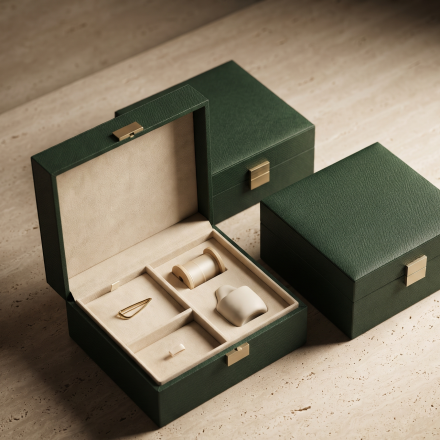
Material selection is one of the most important decisions when customizing hospitality products.
A menu folder, bill presenter or hotel accessory must look appropriate for the brand while also meeting practical requirements.
The ideal material depends on where the product will be used, how frequently it will be handled, the desired appearance and maintenance expectations.
Here is a guide to some commonly considered materials.
1. Genuine Leather
Genuine leather is valued for its natural grain, texture and distinctive appearance.
It may suit premium restaurants, boutique hotels and businesses seeking a traditional leather finish.
Natural variations mean that two pieces may not look exactly identical.
When considering genuine leather, confirm the material specification and care requirements with the manufacturer.
2. PU Leather
PU leather is a synthetic material designed to provide a leather-style finish.
It is available in a variety of colours, textures and surface finishes.
For hospitality businesses ordering coordinated accessories, PU can offer useful design flexibility.
It is worth considering for menu folders, bill presenters, coasters and other branded products.
3. Wood
Wood introduces a natural and structured appearance.
Wooden menu folders may suit restaurants with rustic, contemporary or traditional interior concepts.
Different finishes and engraving options can create different visual effects.
The selected construction should be evaluated for weight, handling and maintenance.
4. PVC and Other Synthetic Materials
Certain synthetic materials may be suitable for hospitality products where a specific surface finish or construction is required.
The material should be selected according to the product’s intended use and expected handling.
5. Consider the Frequency of Use
A product used daily in a busy restaurant has different requirements from a gift box used occasionally.
Evaluate:
-
Expected handling frequency
-
-
-
Stitching and construction
-
-
Replacement considerations
Do not select materials based only on photographs.
6. Match Materials With Your Brand Identity
Consider the restaurant or hotel’s wider visual environment.
Dark wood and brown leather-style accessories may complement a classic interior.
Cream, tan and muted finishes may suit contemporary hospitality spaces.
Black and metallic accents can create a more formal appearance.
7. Evaluate Samples Before Bulk Production
A physical sample allows buyers to inspect the actual colour, texture, thickness, construction and branding.
This is particularly important when several products need to follow the same design specifications.
Customized Materials and Finishes at Roshi Enterprises
Roshi Enterprises manufactures custom leather and PU products for hotels, restaurants and corporate businesses.
Products include menu folders, bill presenters, luxury boxes, coasters and other accessories.
Businesses can discuss their material preferences, colours, dimensions and branding requirements.
Browse the Roshi product catalogue to explore available styles.
The right material is the one that suits the product’s actual purpose while supporting the brand’s desired appearance.
FAQs
Which material is best for restaurant menu folders?
PU leather, genuine leather and wood are options worth considering. The best choice depends on the restaurant’s design, budget, usage and maintenance requirements.
Is PU leather a genuine leather product?
No. PU leather is a synthetic material designed to provide a leather-like appearance.
Can different materials be used in one hospitality product?
Depending on the design and construction, products can combine different materials and finishes.
Should samples be checked before bulk orders?
Yes. Physical samples help verify the actual material, colour and finishing.