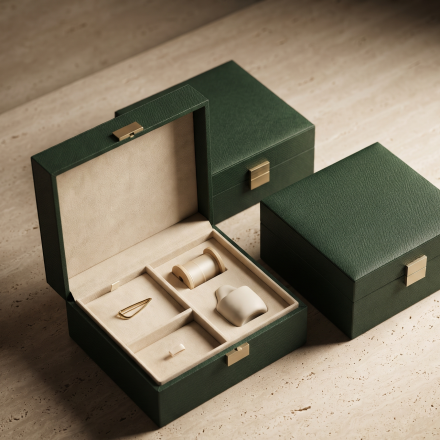
A hotel’s identity is communicated through more than its logo, website or exterior signage.
Guests experience the brand through every interaction, from the reception area to their guest room and the restaurant where they have breakfast.
When these experiences feel connected, the property appears more professional and recognizable.
For hotel management teams, maintaining brand consistency requires attention to both major design decisions and smaller physical details.
What Is Hotel Brand Consistency?
Hotel brand consistency means maintaining a recognizable visual and service identity across different guest-facing areas.
This can include:
-
-
-
-
-
Guest information folders
-
-
-
The objective is to make every interaction feel like part of the same hotel experience.
1. Establish Brand Guidelines
Start with a simple document defining the hotel’s visual identity.
Include the official logo, colour palette, typography, logo variations and preferred materials.
This document can guide designers, procurement teams and suppliers when creating customized products.
2. Coordinate Guest Room Accessories
Guest rooms contain several visible objects.
Information folders, coasters, tissue holders and beverage accessories should complement the room’s furniture and colour scheme.
Using a consistent material or finish across these products can create a more cohesive presentation.
3. Extend Branding Into Hotel Restaurants
Hotel restaurants should feel connected to the wider property.
Menu folders, bill presenters and coasters can follow the same colour palette and branding approach as the hotel’s other guest-facing products.
Explore Roshi Enterprises’ menu folders and hospitality products.
4. Use Consistent Logo Placement
A logo does not need to dominate every accessory.
Instead, establish a consistent application method.
For example, the hotel may use understated foil stamping on folders and subtle embossing on selected leather-style accessories.
The final technique should suit the material and product.
5. Coordinate Materials and Finishes
Select a practical collection of materials that works across the property.
Wood, leather, PU and metallic accents can be combined when their colours and finishes complement one another.
6. Maintain Consistency Across Locations
Hotels with multiple properties should create guidelines that allow each location to maintain the same brand identity.
Some details may change to suit local interiors, but core branding elements should remain recognizable.
7. Work With Custom Product Manufacturers
Customized accessories may require specific sizes, colours, materials and logo applications.
Working with a manufacturer that understands these requirements can make it easier to coordinate several products.
Request samples and approve specifications before committing to larger quantities.
Customized Hotel Products by Roshi Enterprises
Roshi Enterprises manufactures custom leather and PU products for hospitality businesses.
Its collection includes menu folders, bill presenters, gift boxes, coasters and other customizable accessories.
Hotels can explore the product catalogue and discuss their branding and bulk requirements.
Consistency is not about making every item identical. It is about making every item feel as though it belongs to the same brand.
FAQs
Why is brand consistency important for hotels?
It helps create a recognizable identity across different guest interactions and supports a more cohesive presentation.
Which hotel products can be branded?
Guest folders, menus, bill presenters, coasters, tissue holders and gift boxes are examples of products that may be customized.
How can hotels maintain consistency across multiple properties?
Use documented brand guidelines covering colours, logos, materials and approved product specifications.